About the Farm
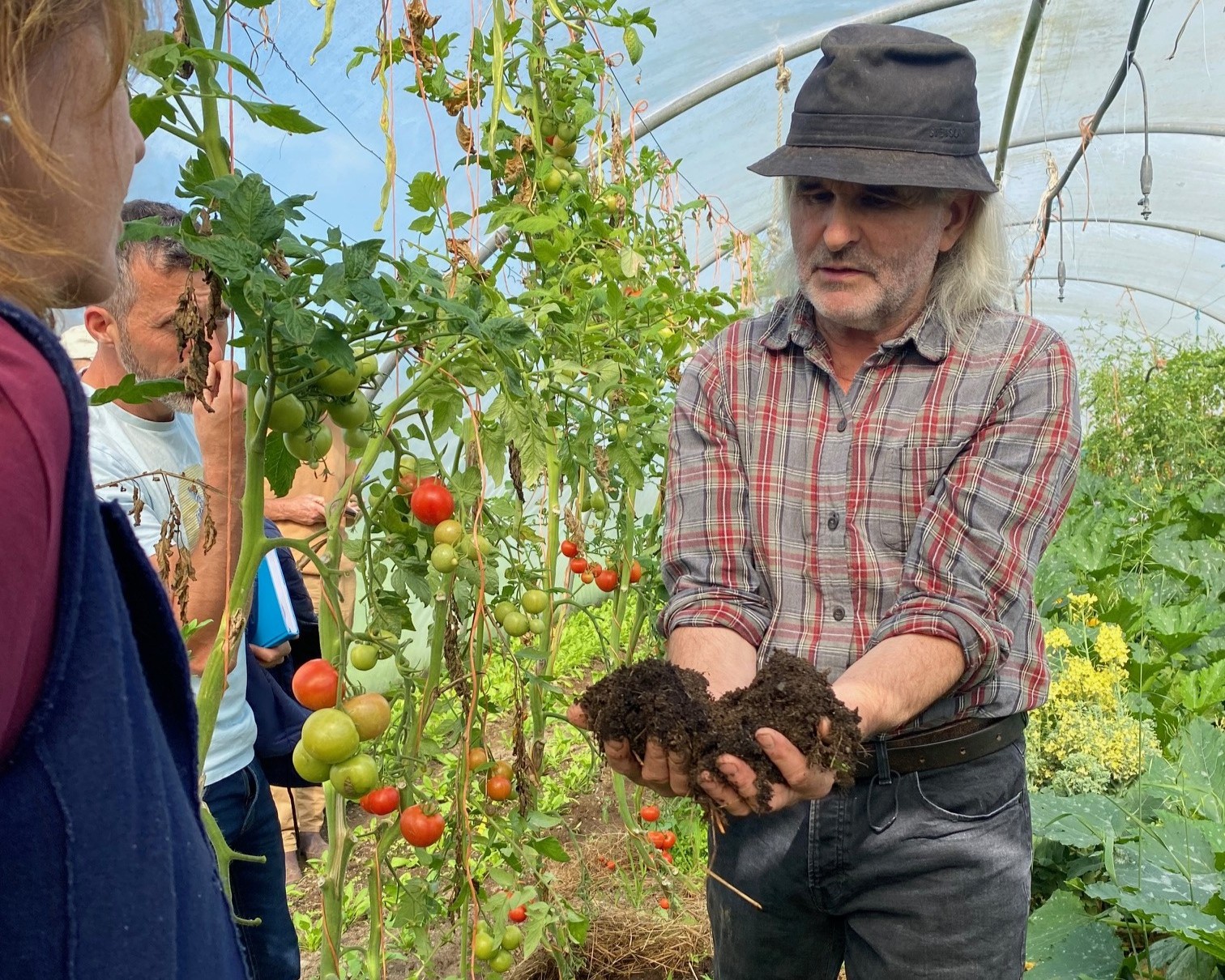
We have over 800 varieties of heritage, open-pollinated vegetable varieties from Ireland and from gene banks around the world. Our apple tree varieties include native Irish varieties and those few English, US and French apple varieties that were traditionally grown in Ireland for many years. We have a unique self-rooting apple orchard whose trees require no grafting for propagation. These were found on the remains of very small homesteads where they were grown as a disease resistant and economical food source.
Seed Bank
Our largest project to date, was the construction of a new seed bank with processing and drying facilities. We have a seed drying tunnel, a viewing area and within the seed bank itself there are a number of different areas for the processing of the seed. From farm to finish, these include a sorting and threshing area, a dehumidifying room, a packing and sealing room, a long-term freezer facility, a small laboratory and a seed stock room. This facility allowed us to increase the amount and quality of seed we produce.
The Native Irish Apple Collection
The first collection was made in the 1940s by Keith Lamb, then planted on land belonging to Dublin Corporation. Tragically it was destroyed. Anita Hayes, working with the late Peadar MacNeice of the Armagh Orchard Trust and Dr Michael Hennerty of University College Dublin, began to replicate Dr Lamb’s collection. Now all but 18 of the original collection are found. In 1997 this collection was opened by President Mary Robinson.
Research Projects
Irish Seed Savers Association has been involved in a variety of research projects over the last 15 years. Research into apples, plums, grains and vegetables are ongoing. Some of the research has included the antioxidant properties of some of the old apple varieties and the omega contents of native flax seed.
Apple Project
In the early 1990s we began a search for traditional Irish varieties of apple. These apples were once renowned for their range of taste, texture and cooking qualities. They were grown before the advent of pesticides and some of them are more resistant to scab, mildew and canker than modern cultivars. The success of this project is the result of many years of hard work by members of the public, local historians, scientists, and Irish Seed Savers Association staff. Kevin Dudley was our first dedicated orchard manager who was able to build the collection with his expertise in grafting from poor specimens of dying trees from around the country.
Grain Project
Before the introduction of the potato, Irish people included grain as a dietary mainstay, particularly oats. Oats were used in breads, desserts, drinks, medicines and cosmetics! Other grains that were grown included barley, flax, rye and some wheats. Unfortunately, many of these grain varieties were lost and we had to turn, primarily to the Vavilov Institute in Russia, the first gene bank in the world, to repatriate our native grains. Michael Miklis in Piltown, Kilkenny, working with very small quantities of grain, over many years trialled them and bulked them up so that they could be resown on field scale again. To date, many of these native Irish oats and several wheat, barley and ryes have been re-established. The varieties of grain that are available for farmers to grow today have steadily decreased over the years and the potential for these native grains as a reliable food source is great.
Preserving Native Trees
We have devoted over two acres of land to a native Irish woodland and wildlife sanctuary. Some of the varieties in our Native Irish Woodland are Alder, Ash, Silver, Birch, Bird Cherry, Hazel, Holly, Rowan, Oak, Scots Pine, White beam, Spindle and Willow. Members of the public have sponsored the planting of this sanctuary, and we are grateful for their support which has provided a new home for a variety of local wildlife and birds.